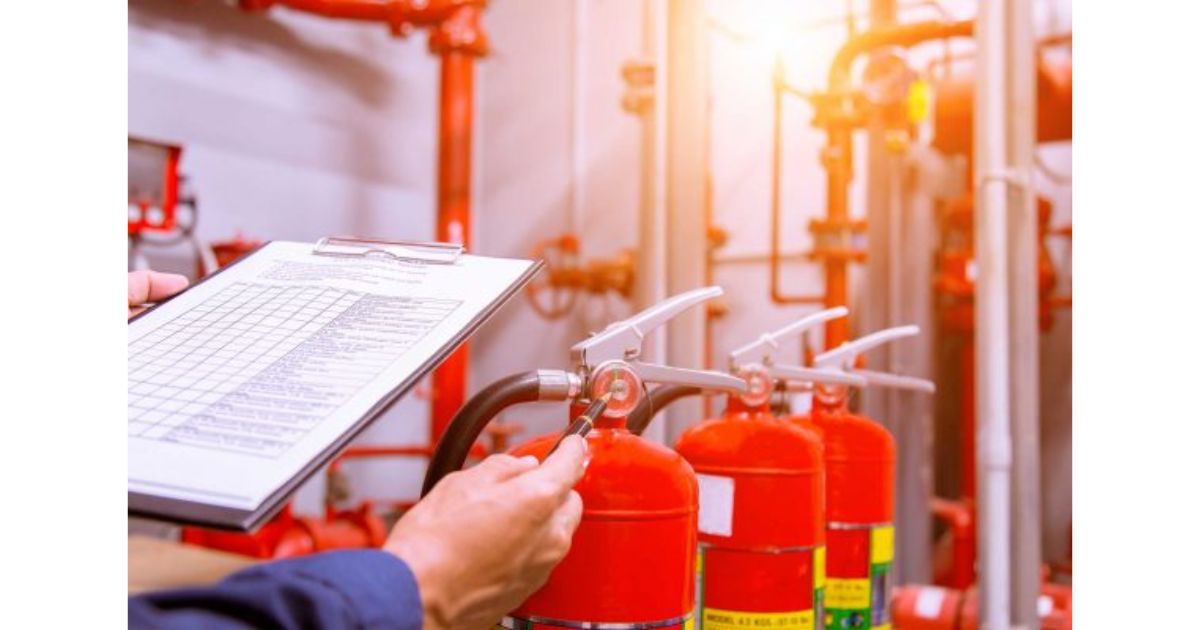
In modern building management, fire safety is one of the most important operational priorities. A reliable Bảo trì hệ thống PCCC (fire protection system maintenance) process ensures that fire detection, alarm, and suppression systems function effectively when needed most. However, simply performing maintenance is not enough—quality performance is what truly guarantees safety, compliance, and system reliability.
To achieve high-quality results, building owners, facility managers, and technical teams must follow structured best practices that improve consistency, accuracy, and long-term system performance.
This article explores the best practices for ensuring quality fire protection system maintenance in modern buildings.
Understanding the Importance of Quality in Bảo trì hệ thống PCCC
Quality in fire protection system maintenance refers to more than just completing scheduled inspections. It means ensuring that every component of the system performs optimally under real emergency conditions.
A high-quality Bảo trì hệ thống PCCC process ensures:
- Early and accurate fire detection
- Reliable alarm activation
- Efficient fire suppression response
- Safe evacuation of occupants
- Full compliance with safety standards
Poor maintenance quality, on the other hand, can lead to system failure, delayed response times, and increased risk to life and property.
Therefore, maintaining high standards is essential for every commercial, residential, and industrial building.
Establishing a Structured Maintenance Plan
One of the most important best practices is developing a structured maintenance plan. Without a clear plan, maintenance activities may become inconsistent or incomplete.
A strong maintenance plan should include:
- Weekly, monthly, quarterly, and annual inspection schedules
- Clearly defined responsibilities for technicians
- Detailed procedures for each fire safety component
- Emergency response testing schedules
Structured planning ensures that no part of the fire protection system is neglected. It also improves accountability and helps maintain consistent Bảo trì hệ thống PCCC performance over time.
Using Trained and Certified Technicians
The quality of fire protection system maintenance heavily depends on the skills of the technicians performing the work. Using trained and certified professionals is essential for ensuring accurate inspections and repairs.
Qualified technicians are able to:
- Identify hidden faults in complex systems
- Properly test fire alarms and sensors
- Handle advanced control panels and automation systems
- Ensure compliance with safety regulations
Untrained personnel may overlook critical issues, leading to system failures during emergencies. Therefore, investing in skilled professionals is a key factor in maintaining high-quality performance.
Conducting Regular and Detailed System Inspections
Regular inspections are the backbone of effective Bảo trì hệ thống PCCC. However, quality inspections go beyond surface-level checks.
A detailed inspection should include:
- Fire alarm system testing and response time measurement
- Smoke and heat detector sensitivity checks
- Sprinkler system pressure and flow testing
- Emergency lighting and exit signage verification
- Control panel diagnostics and error analysis
Each inspection should be thorough, systematic, and documented. Skipping steps or rushing inspections can compromise system reliability.
Prioritizing Preventive Maintenance Over Reactive Repairs
One of the most effective best practices is shifting from reactive maintenance to preventive maintenance.
Preventive Bảo trì hệ thống PCCC focuses on identifying and fixing issues before they cause system failure.
Benefits of preventive maintenance include:
- Reduced risk of unexpected system breakdowns
- Lower long-term repair costs
- Improved system lifespan
- Increased reliability during emergencies
Instead of waiting for alarms or sprinklers to fail, preventive maintenance ensures that all components are regularly checked and maintained in optimal condition.
Implementing Advanced Testing Procedures
Quality maintenance requires more than basic checks. Advanced testing procedures help ensure that fire protection systems perform correctly under real conditions.
These procedures include:
- Simulated fire scenario testing
- Full system integration tests
- Alarm response timing analysis
- Backup power failure simulations
Advanced testing helps identify weaknesses that may not be visible during routine inspections. It also ensures that all interconnected systems respond correctly during emergencies.
Maintaining Accurate Documentation and Records
Proper documentation is a critical part of high-quality maintenance. Every inspection, test, repair, and replacement should be recorded in detail.
Effective documentation includes:
- Maintenance dates and schedules
- Test results and performance data
- Faults identified and corrective actions taken
- Equipment replacement history
Accurate records help track system performance over time and ensure compliance with fire safety regulations.
They also provide valuable reference data for future maintenance planning and audits.
Ensuring Proper Calibration of Fire Safety Equipment
Calibration is an often overlooked but essential part of Bảo trì hệ thống PCCC. Fire detection and suppression systems must be correctly calibrated to function accurately.
Key calibration tasks include:
- Adjusting smoke detector sensitivity levels
- Testing heat sensor accuracy
- Setting sprinkler activation thresholds
- Aligning alarm sound intensity levels
Improper calibration can lead to false alarms or delayed fire detection, both of which compromise safety. Regular calibration ensures optimal system performance.
Integrating Smart Monitoring Systems
Modern technology plays a major role in improving maintenance quality. Smart monitoring systems provide real-time data on fire protection system performance.
These systems allow:
- Continuous monitoring of system health
- Instant alerts for faults or failures
- Remote access for technicians
- Data-driven maintenance decisions
By using smart technology, building managers can improve the accuracy and efficiency of Bảo trì hệ thống PCCC while reducing response times.
Performing Routine Emergency Drills
Quality fire protection maintenance is not complete without emergency preparedness testing. Fire drills help evaluate how well systems perform in real-life scenarios.
Emergency drills help:
- Test alarm response effectiveness
- Evaluate evacuation procedures
- Identify weaknesses in system coordination
- Improve occupant awareness and safety response
Regular drills ensure that both systems and people are prepared for emergency situations.
Ensuring Compliance with Safety Standards
Compliance with fire safety regulations is a fundamental requirement for all buildings. High-quality maintenance must always align with legal and technical standards.
Compliance includes:
- Meeting national fire safety codes
- Following manufacturer maintenance guidelines
- Ensuring proper system installation and operation
- Passing regular safety audits and inspections
Non-compliance can result in penalties and increased safety risks. Therefore, maintaining regulatory adherence is a core part of quality Bảo trì hệ thống PCCC.
Using Quality Replacement Parts and Equipment
The quality of replacement parts directly affects system performance. Using low-quality or incompatible components can reduce reliability and safety.
Best practices include:
- Using certified and approved equipment
- Replacing outdated components with modern alternatives
- Ensuring compatibility with existing systems
- Avoiding low-quality substitutes
High-quality components improve durability and ensure consistent system performance during emergencies.
Continuous Training and Skill Development
Fire protection technology is constantly evolving. To maintain high-quality performance, technicians must receive continuous training.
Training programs should cover:
- New fire detection technologies
- Advanced control systems
- Updated safety regulations
- Smart building integration systems
Well-trained personnel ensure that Bảo trì hệ thống PCCC processes remain efficient, accurate, and up to date with industry standards.
Conclusion
Ensuring high-quality Bảo trì hệ thống PCCC performance requires a combination of structured planning, skilled technicians, advanced testing, and modern technology integration. It is not just about routine inspections—it is about maintaining a reliable, efficient, and fully functional fire protection system at all times.
By following these best practices, building owners and facility managers can significantly improve system reliability, enhance safety, and ensure full compliance with fire protection standards.
In today’s complex building environments, quality maintenance is not optional—it is a critical necessity for protecting lives, property, and long-term operational stability.